Summer in the Mountain Heights of Friuli Vene...
21.07.2026Summer unfolds across the mountains of Friuli Venezia Giulia with mountain lifts operating for the summer season and a wide...
When most people think of the Three Valleys – home to the big names of Les Menuires and Val Thorens – they picture ski lifts, pistes and winter crowds. But in summer, the Belleville Valley takes on a completely different character. Wildflowers replace skiers, cows and sheep graze on green slopes, and long-distance trails weave across the high passes.
I spent three days walking a section of the Grand Tour de Tarentaise (GTT), a 20-day route that crosses some of the most beautiful valleys in the French Alps. My shorter version linked three traditional mountain refuges — Lac du Lou, Gittamelon and Plan Lombardie — with a mix of steep ascents, airy traverses and alpine lakes along the way.
We set off in the early evening from the Les Menuires side of the valley with a gentle climb to the Refuge du Lac du Lou, a handsome stone building beside a gleaming glacial lake at 2,000 metres. The walk in was short and undulating (about 65 minutes), but it felt a world away from the ski infrastructure below. Along the way we picked ripe blueberries and watched ‘civilisation’ disappear behind the mountains. On arrival we were rewarded with a view of the lake and a cool artisan lemonade.
As the sun dipped we tucked into hearty alpine food — croziflette swimming in creamy cheese. I wasn’t quite sure I’d earned it yet, but hoped to burn it off tomorrow. For the night we had dorm rooms with duvets and pillows. Like most Alpine huts, you’re expected to bring your own sleeping liner and a towel if you want to use the showers, which work on tokens giving you five minutes of hot water — a luxury compared to some huts I’ve stayed in. It was simple but sociable, and with no mobile data inside, we ended up playing chess until bedtime.
After a slightly disturbed night’s sleep – probably from not being used to the altitude – we had a simple breakfast of bread, jam and cereals. With a packed lunch provided by the refuge in our bags, we set off around 10am into the Vallée des Encombres, a wilder, more remote-feeling stretch. The path climbed steeply from the start, winding past blueberry bushes, steep-sided valleys and views across the Tarentaise. Just before the highest point of the hike, we paused by a small alpine lake to cool our feet — sharing the water with darting fish. A few people were swimming, but while it isn’t forbidden, it’s not really encouraged as sun cream and other pollutants can affect these fragile high-altitude ecosystems.
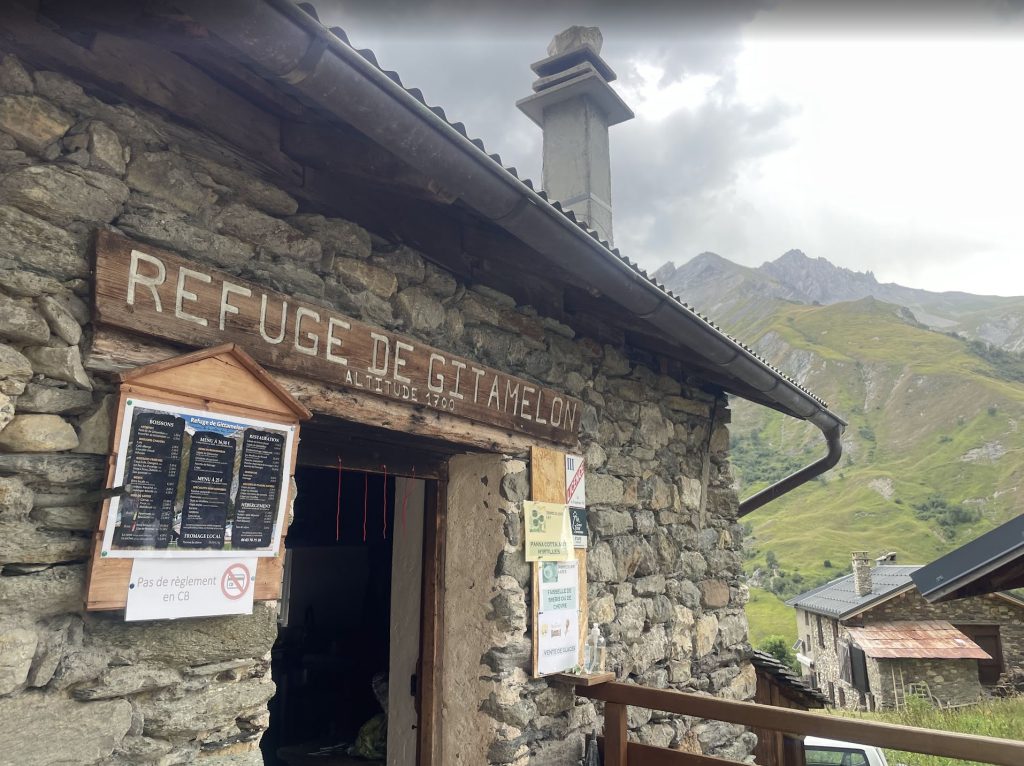
Although the signs suggested around six and a half hours with 700 metres of climbing, we reached the Refuge de Gittamelon in under four hours. The routes are well marked, but the timings are on the generous side — next year, I’m told, the signage will be updated to be more consistent across the whole Tarentaise.
The refuge itself is one of the simplest on the route. There’s no electricity, but you’re provided with thin covers for the mattress and pillow, plus duvets, and even a quick hot shower if you’re fast. Having arrived much earlier than expected, we sat in the garden with a panaché and watched an evening storm roll in — glad we weren’t still on the hill. Chickens clucked nearby, and a small chapel stood as a reminder that this valley has been lived in for centuries. Dinner was served at 7:30pm: classic Savoie dishes, sausages and tartiflette. After a long day on the trail it felt like a feast. This time we were in our bunks by 10pm and slept soundly, fatigue doing the trick.
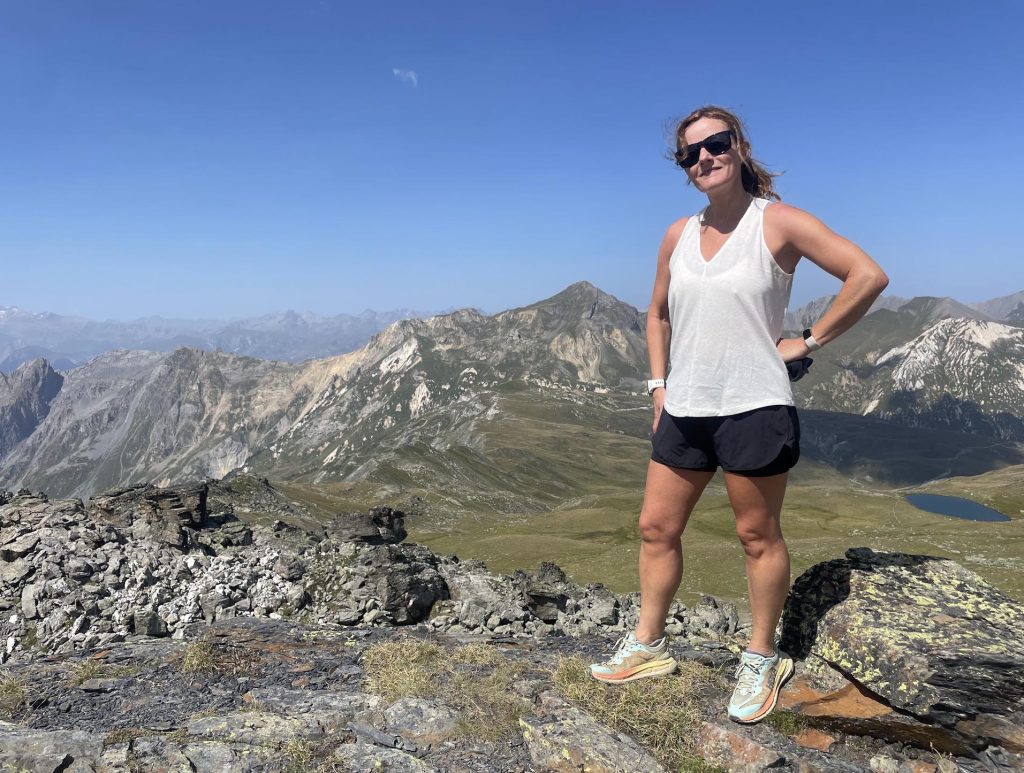
The next morning I set off with a little nervous anticipation. From Gittamelon, the trail climbs higher towards the Col du Bonnet du Prêtre before dropping into the Vallée des Deux Nants. This is the longest and toughest stretch of the circuit — around 19 kilometres with more than 1,000 metres of ascent. For those continuing on, it’s a rewarding challenge, with views opening out across high ridges and passes. At the end, hikers are welcomed at Refuge du Plan Lombardie, where dorms are more comfortable and hot showers available if you’ve remembered your towel.
The final day of the route continues down to Saint-Martin-de-Belleville, via the hamlet of La Gittaz and the Roman bridge at Villarenger. It’s around five hours of hiking, descending more than 1,200 metres, and a fitting end: from high alpine meadows back to the cobbled streets and church square of Saint-Martin itself.
That’s where the comforts of modern life return, with excellent restaurants and even a brand-new spa. I tried out the saunas and cold plunge pool at La Belle Vie, Saint-Martin’s new wellness centre, which felt miraculous after days of sore legs and long descents.
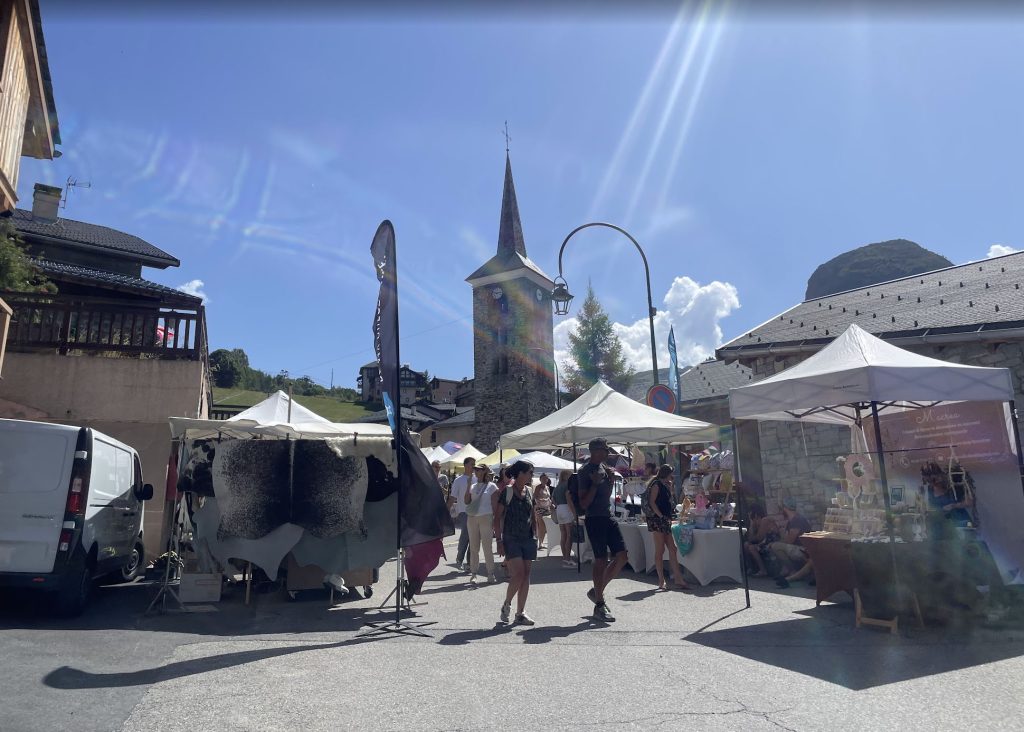
In the morning, we joined the Assumption Day mass at Notre-Dame de la Vie, the baroque church just above the village — a calming, traditional gathering and a reflective pause after days of hiking, and thankfully a much easier climb without a heavy pack. Afterwards, the village was full of activities, from cow-milking to traditional stalls, wine and cheese tasting. Later, the festival picked up pace with live music — including a fantastic lunchtime rock set from Pink Miami, managed by Méribel and UK-based Après-Ski Bands, and a lively U2 tribute act, 4ever1, in the evening. The Italian frontman joked about not speaking French, which only added to the fun, before fireworks lit up the rooftops. It was the perfect bookend to a trek: peaceful tradition followed by sheer celebration.
For families, there’s also a summer light show projected onto the church, running in the evenings from mid-July to late August. It’s especially good if you don’t know much about the village’s history – a colourful, story-led introduction that children in particular will enjoy.
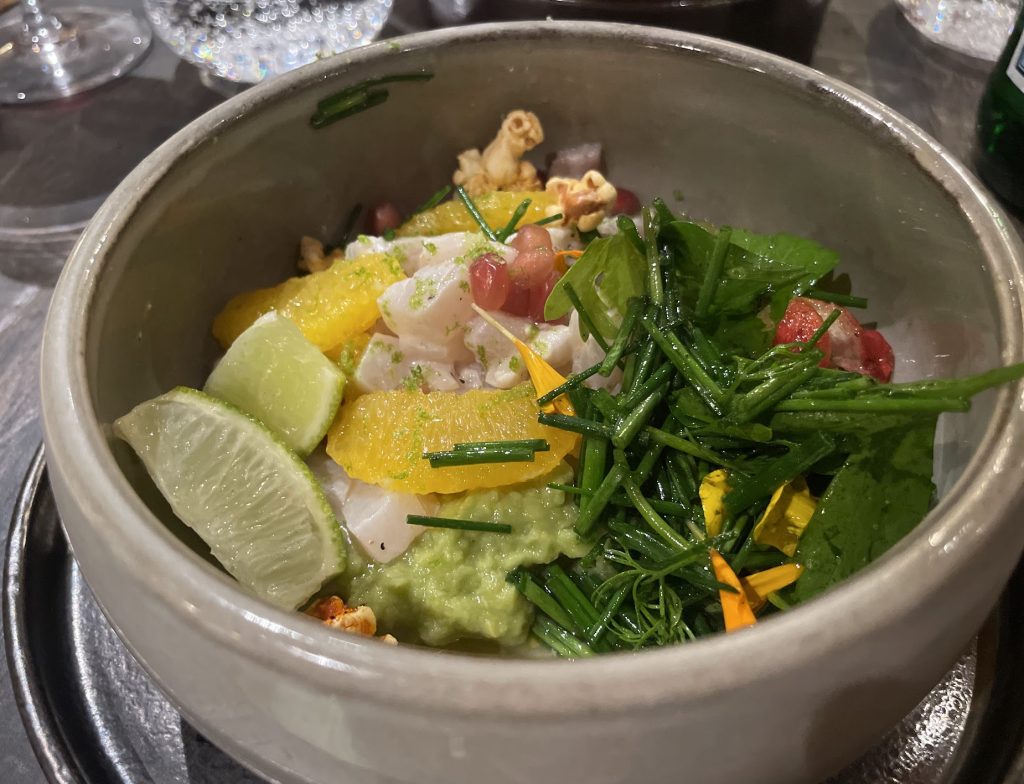
One of the things that sets Saint-Martin apart is its balance between exclusivity and authenticity. As Sébastien Pomini from the tourist board explained to me, the village doesn’t want more beds — instead, the goal is to keep the atmosphere genuine while encouraging higher-quality experiences. That approach is clear in its gastronomy: the valley is home to La Bouitte, a Michelin-starred restaurant in the nearby hamlet of Saint-Marcel, along with excellent bistros such as Le Montagnard and Simple & Meilleur. In summer, people come from all over the Three Valleys just to eat here.
Hut-to-hut hiking is rewarding, but it comes with quirks. Pack a sleeping bag liner or lightweight bag, earplugs and an eye mask for shared dorms, and keep toiletries small and simple — think travel pots, not full bottles. A headtorch is handy, and don’t forget Compeed or blister plasters for the descents. Huts usually provide hearty food and blankets, but showers may cost extra, and charging facilities are limited.
The Alps are working landscapes as well as holiday destinations. One thing hikers do need to take seriously are the Patou dogs used to guard sheep flocks from wolves. Signs mark the areas where they are likely to be encountered, and it’s important to follow the advice: keep calm, give flocks space, and don’t try to approach the dogs. For most walkers it won’t be more than a brief encounter, but it’s worth being aware.
Whether you walk a full loop or just a section, the Belleville Valley offers a real taste of Alpine hut-to-hut life. It’s cooler than the valleys during summer heatwaves, the food is reliably hearty, and the mix of landscapes — glacial lakes, rocky cols, green meadows and traditional villages — makes each day different.
And while Saint-Martin may be better known as the quiet corner of the Three Valleys in winter, in summer it comes alive in a way that’s both vibrant and true to its roots: a place where authenticity, food, music and high-mountain adventure sit comfortably side by side.
Enjoyed this article? click here to get more from us
Summer unfolds across the mountains of Friuli Venezia Giulia with mountain lifts operating for the summer season and a wide...
The all new edition of Peak Performance’s Helium AOP Down Hood jacket is a genuinely impressive update to a long‑running...
There is something reassuring about arriving at one of the world’s cleanest beaches and seeing a Blue Flag fluttering in...
Cairngorm Mountain has launched into the summer holidays with extended opening hours, extra activity sessions and family savings across some...